Worker is built as a modular operational platform that integrates with existing enterprise systems, enabling AI-driven workflows to execute reliably across services, teams, and infrastructure environments.
Modular operational architecture
Built for enterprise system environments
Designed for reliability and governance
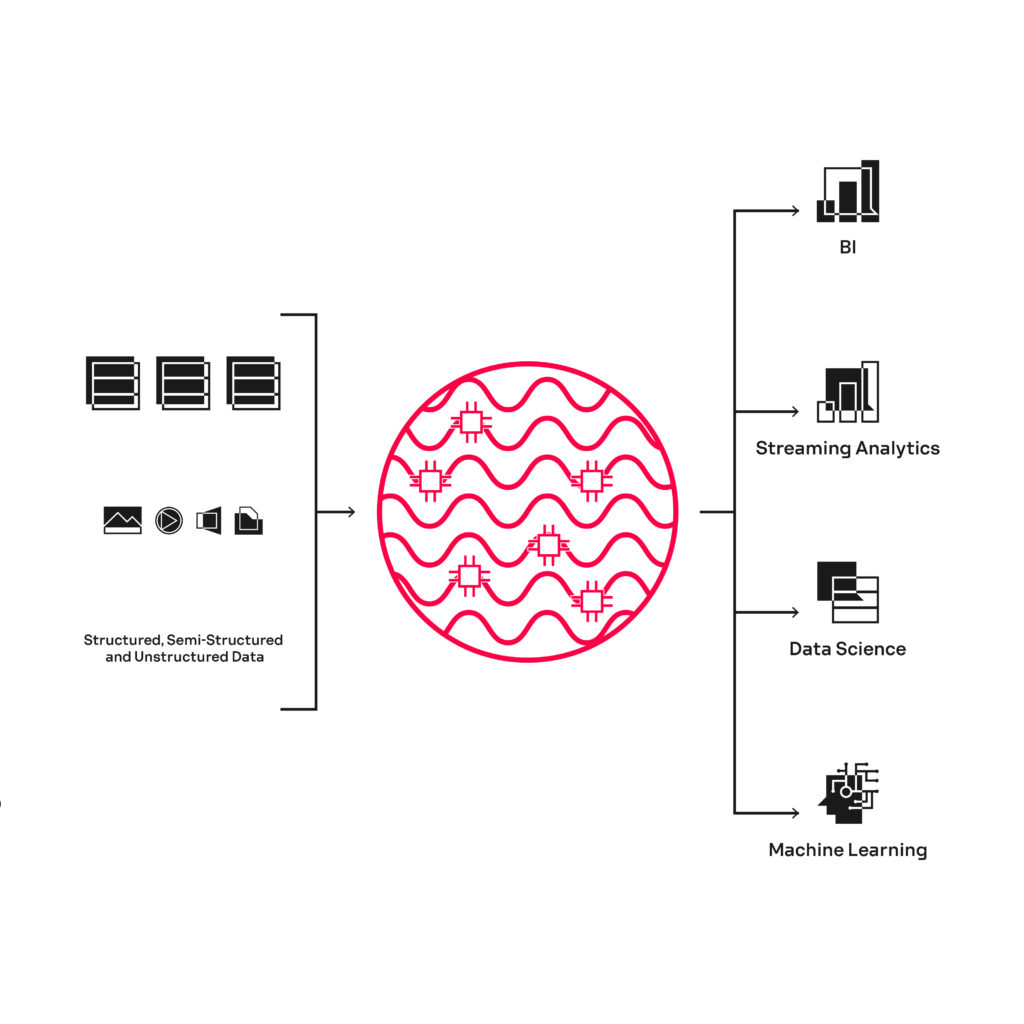
Worker is designed as a modular platform composed of interoperable components that coordinate workflows, AI execution, governance, and system integrations.
At the core of the architecture is a workflow orchestration engine that manages multi-step operational processes across systems. Surrounding this engine are supporting layers responsible for AI runtime execution, governance controls, and system connectivity.
This layered design allows organizations to integrate AI capabilities into existing operational environments without disrupting the current technology stack.
Worker provides an API-first architecture that allows organizations to extend platform capabilities and integrate with internal services, data platforms, and operational tools.
Developers can use APIs to trigger workflows, retrieve operational data, or integrate automation logic within existing enterprise applications.
This extensibility ensures that Worker can adapt to evolving operational requirements without introducing rigid dependencies.
Enterprise operations often span multiple platforms and technologies. Worker is designed to interact with diverse system environments through standardized integration mechanisms.
The platform supports multiple communication patterns—including APIs, events, queues, and automation connectors—allowing workflows to coordinate activities across SaaS applications, internal systems, and on-prem infrastructure.
This approach ensures that organizations can integrate AI-driven operations without restructuring their existing system landscape.
Worker manages operational data through structured workflow contexts that allow information to move securely and efficiently between systems, processes, and decision points.
Data used during workflow execution is contextualized and managed to ensure that the right information is available at each stage of the process while maintaining governance controls over access and usage.
This architecture enables workflows to maintain continuity across systems while preserving operational transparency and control.
Worker supports multiple deployment models to accommodate enterprise infrastructure requirements and security policies.
Organizations can deploy the platform in cloud environments, hybrid architectures, or controlled infrastructure environments depending on operational and compliance needs.
This flexibility ensures that Worker can operate within existing enterprise deployment strategies while maintaining consistent functionality across environments.
Fully managed cloud infrastructure with automatic scaling, monitoring, and maintenance. Suitable for organizations prioritizing operational efficiency and rapid deployment.
Combines cloud and on-prem components to satisfy data
residency and compliance requirements while maintaining
cloud-native flexibility for appropriate workloads.
Full deployment within organization-controlled infrastructure.
Designed for environments with strict security perimeters,
air-gapped requirements, or regulated data handling.
Worker is designed to support increasing workflow volume, system interactions, and AI processing demands as organizations expand automation across operations.
The platform architecture separates workflow coordination, AI execution, and system integrations into scalable components that can grow independently.
This approach allows enterprises to scale operational automation without compromising system performance or reliability.