Operational AI Built for Enterprise Scale

A modular execution platform that transforms AI from isolated outputs into governed, cross-system operational workflows.

Cross-system workflow execution

Built-in governance and oversight

Moduler enterprise architecture

Strategic Value Statement

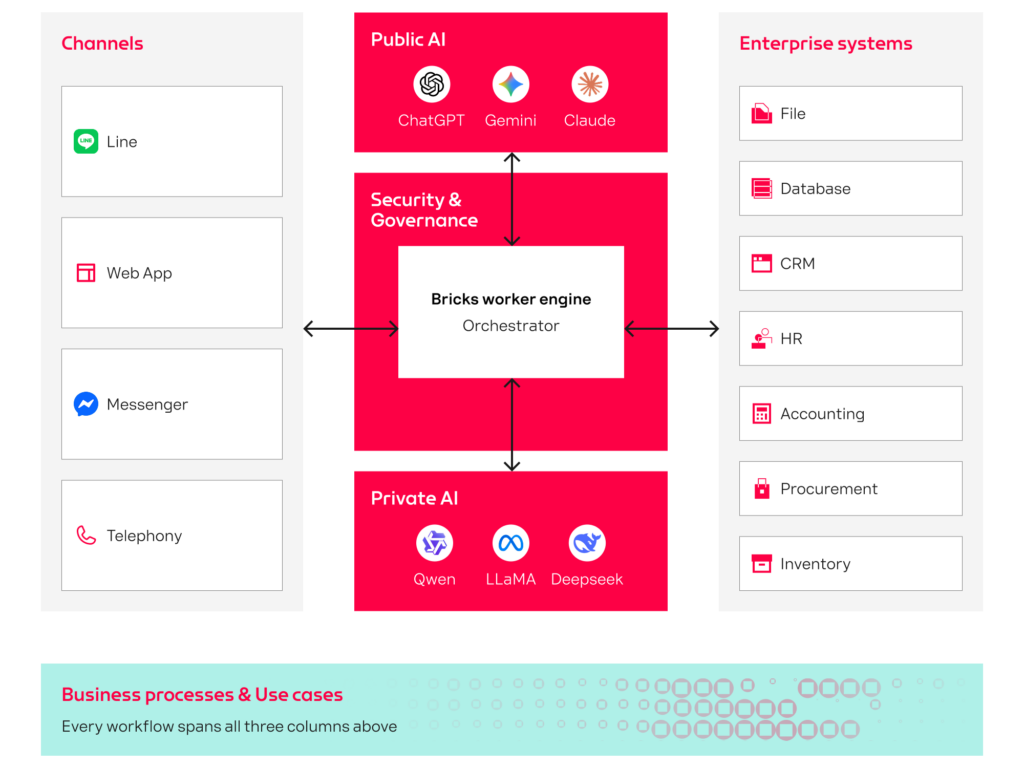
“Worker is a modular operational platform that enables AI to execute real enterprise workflows—interacting with existing systems, coordinating process steps, and working alongside human teams.

By combining workflow orchestration, human oversight, AI runtime infrastructure, and governance controls, Worker turns AI from a standalone assistant into a reliable execution layer for enterprise operations.

The result is AI that improves speed, consistency, and visibility across business processes—without requiring organizations to rebuild their existing technology stack.”


What “Modular Operational Platform” Means

Composable by Design

Each capability is structured as a modular component. Organizations can deploy the capabilities they need while maintaining a unified operational framework.

Expandable Without Disruption

The platform integrates with existing enterprise systems and architectures, allowing organizations to expand AI-driven workflows gradually without replacing current infrastructure.

Governance Embedded in Architecture

Operational oversight, auditability, and access control are built into the platform’s design—ensuring that AI-enabled workflows remain transparent and accountable

Workflow Orchestration Engine

Coordinates enterprise processes across systems with durable, state-aware execution.

A durable workflow engine that manages long-running processes across systems while maintaining state and handling exceptions.

BUSINESS IMPACT

Reduced Cycle Time

Automated coordination across systems and teams eliminates manual handoffs and waiting periods.

Cross-Department Alignment

Workflow orchestration keeps tasks, responsibilities, and system interactions synchronized.

SLA Consistency

State-aware execution tracks workflow progress and helps maintain reliable service levels.

TECHNICAL CAPABILITIES

Stateful workflows

Processes maintain their operational state across steps and systems, enabling long-running workflows that can pause, resume, and continue without losing context.

Retry logic

Built-in retry mechanisms automatically handle transient failures or system interruptions, ensuring process continuity

Escalation paths

When conditions require human intervention, workflows can automatically escalate tasks to the appropriate stakeholders.

API-based integration

Direct integration with enterprise systems enables workflows to retrieve information, trigger actions, and coordinate activities across multiple platforms.

Human-In-The-Loop Confidence Layer

Your Best Judgment, Backed by a System That Knows When to Ask.

Structured human oversight integrated into automated workflows to ensure accuracy, accountability, and trust.

BUSINESS IMPACT

Decision assurance

Human validation at key workflow stages ensures that important decisions reflect expert judgment while benefiting from AI assistance.

Reduced operational risk

By introducing approval checkpoints and escalation paths, organizations can safely deploy automation in processes that require oversight.

Controlled automation adoption

Human-in-the-loop design allows teams to gradually expand automation coverage while maintaining operational confidence.

TECHNICAL CAPABILITIES

Approval gates

Workflow checkpoints where designated stakeholders review and approve actions before the process continues.

Role-based routing

Tasks and approvals are automatically directed to the appropriate individuals or teams based on role definitions.

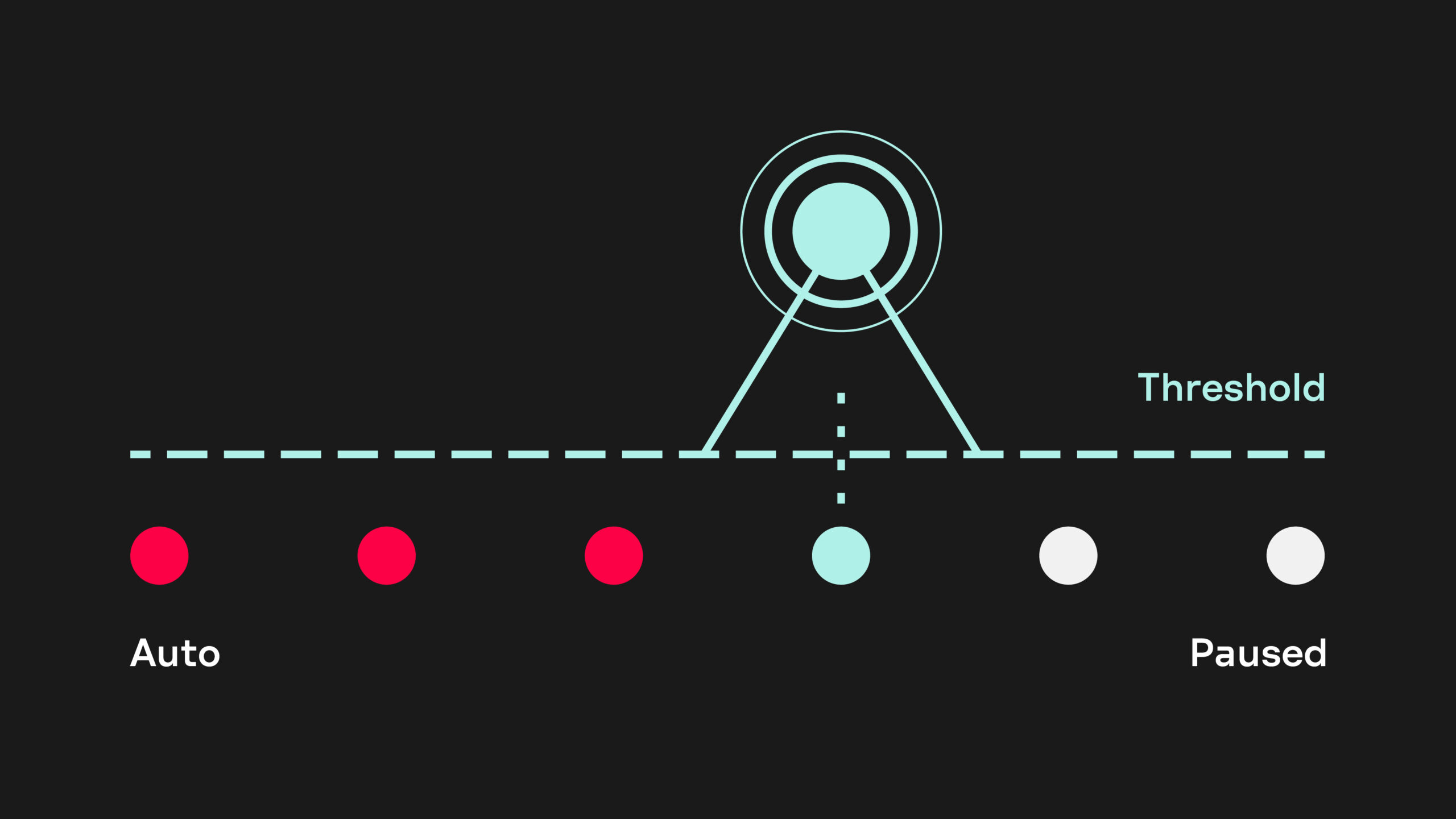
Risk-based escalation

Workflows can detect conditions that require human review and escalate accordingly.

Decision logging

All human approvals, actions, and overrides are recorded for transparency and future reference.

AI Runtime Infrastructure

Production-Ready AI That Scales Without Rebuilding Everything You Already Have

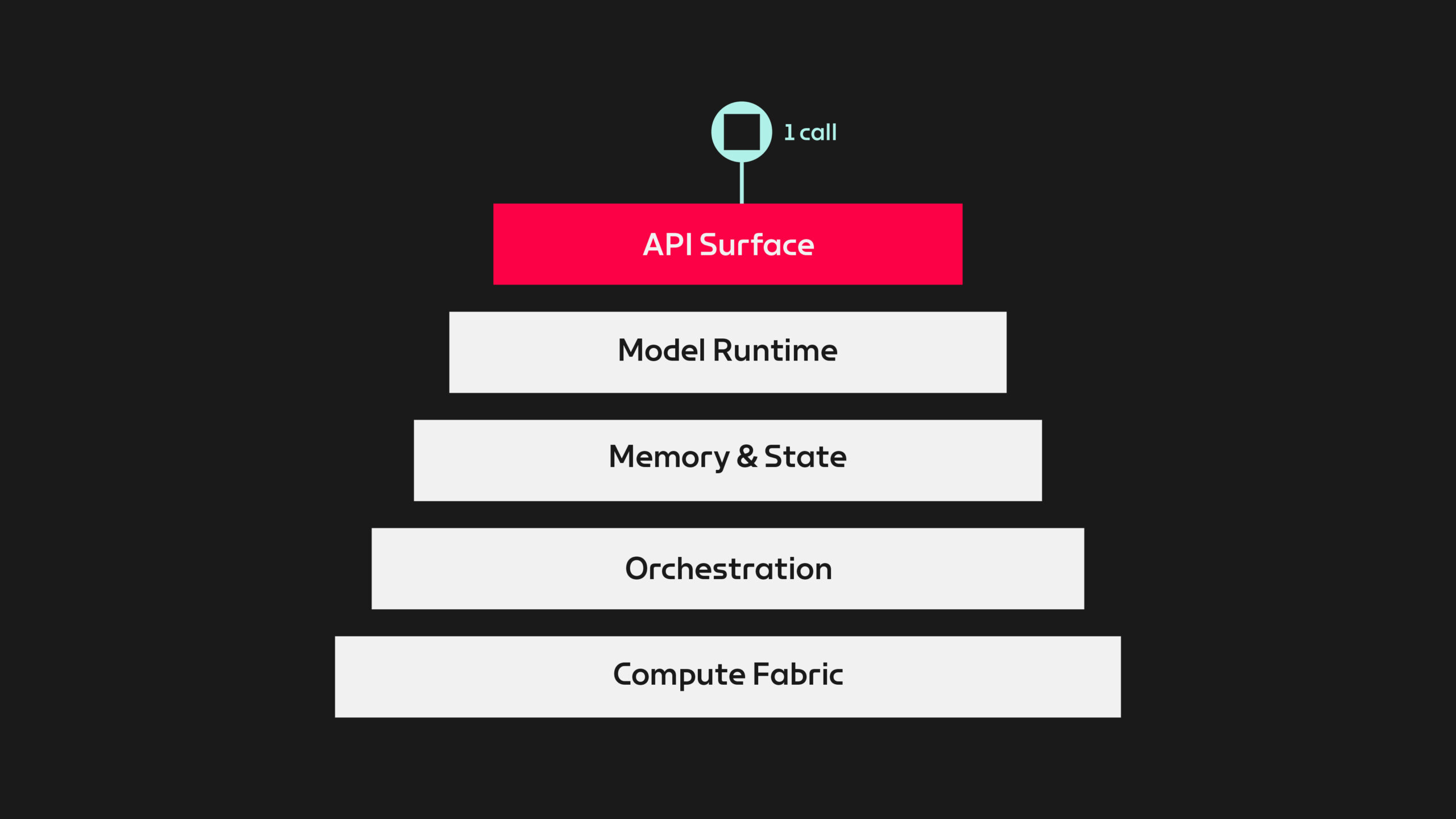
A scalable execution layer that operationalizes AI across enterprise systems.

BUSINESS IMPACT

Production-ready AI deployment

Organizations can move AI from experimentation to real operational use, deploying models within structured workflows that ensure reliability and accountability.

Expansion without architectural rewrite

AI capabilities can be extended across departments and processes without redesigning the underlying technology stack.

TECHNICAL CAPABILITIES

Model abstraction layer

A flexible interface that allows organizations to integrate different AI models without tightly coupling workflows to a specific provider or architecture.

Multi-system integration

The runtime connects AI processes with enterprise platforms such as ERP, SaaS applications, internal services, and data systems.

Performance scaling

Infrastructure designed to handle increasing workflow volume, AI processing demands, and system interactions as operational adoption grows.

Audit & Governance Layer

Every Decision. Every Step. On Record — Before Anyone Asks.

Built-in traceability and policy enforcement for enterprise accountability.

BUSINESS IMPACT

Compliance readiness

Built-in traceability ensures operational activities can be reviewed, validated, and aligned with organizational policies and regulatory expectations.

Executive-level reporting confidence

Leaders gain visibility into operational workflows, AI decisions, and system activity through structured reporting and traceability.

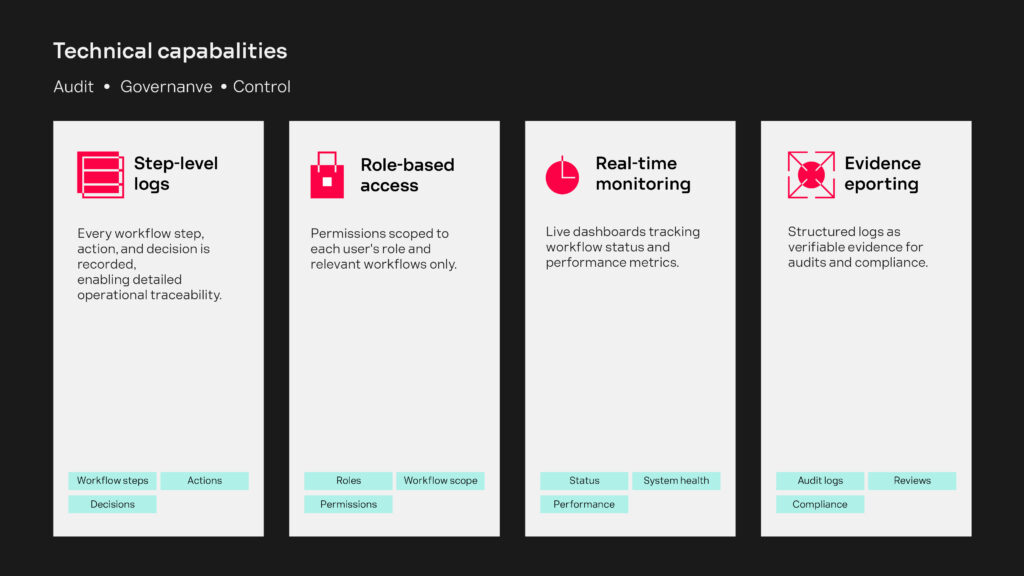
TECHNICAL CAPABILITIES

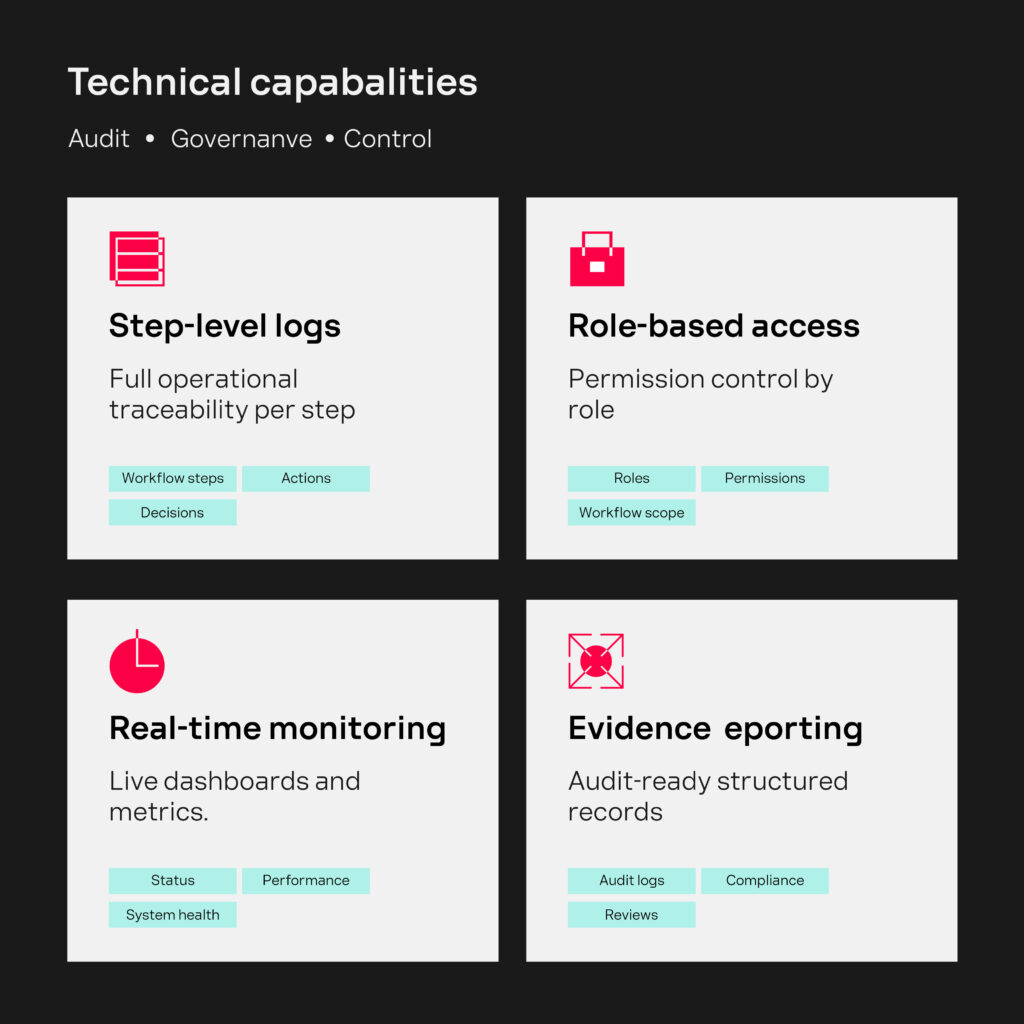
Step-level logs

Every workflow step, action, and decision is recorded, enabling detailed operational traceability.

Role-based access control (RBAC)

Access permissions ensure that users can only view or interact with the data and workflows relevant to their roles.

Real-time monitoring

Operational dashboards track workflow status, system interactions, and performance metrics in real time.

Evidence reporting

Structured logs and records provide verifiable evidence for audits, reviews, and compliance documentation.